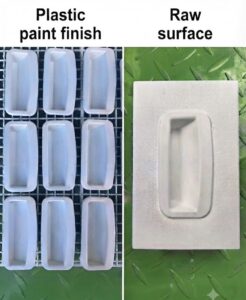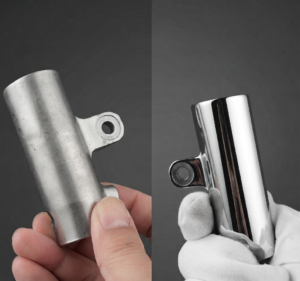
In precision manufacturing, the final surface finish of a stainless steel component is just as critical as its dimensional accuracy. Many clients wonder: Is a raw finish sufficient, or is a mirror polish necessary for my application? Understanding the differences between these two finishes is essential for balancing budget, aesthetics, and functional requirements.
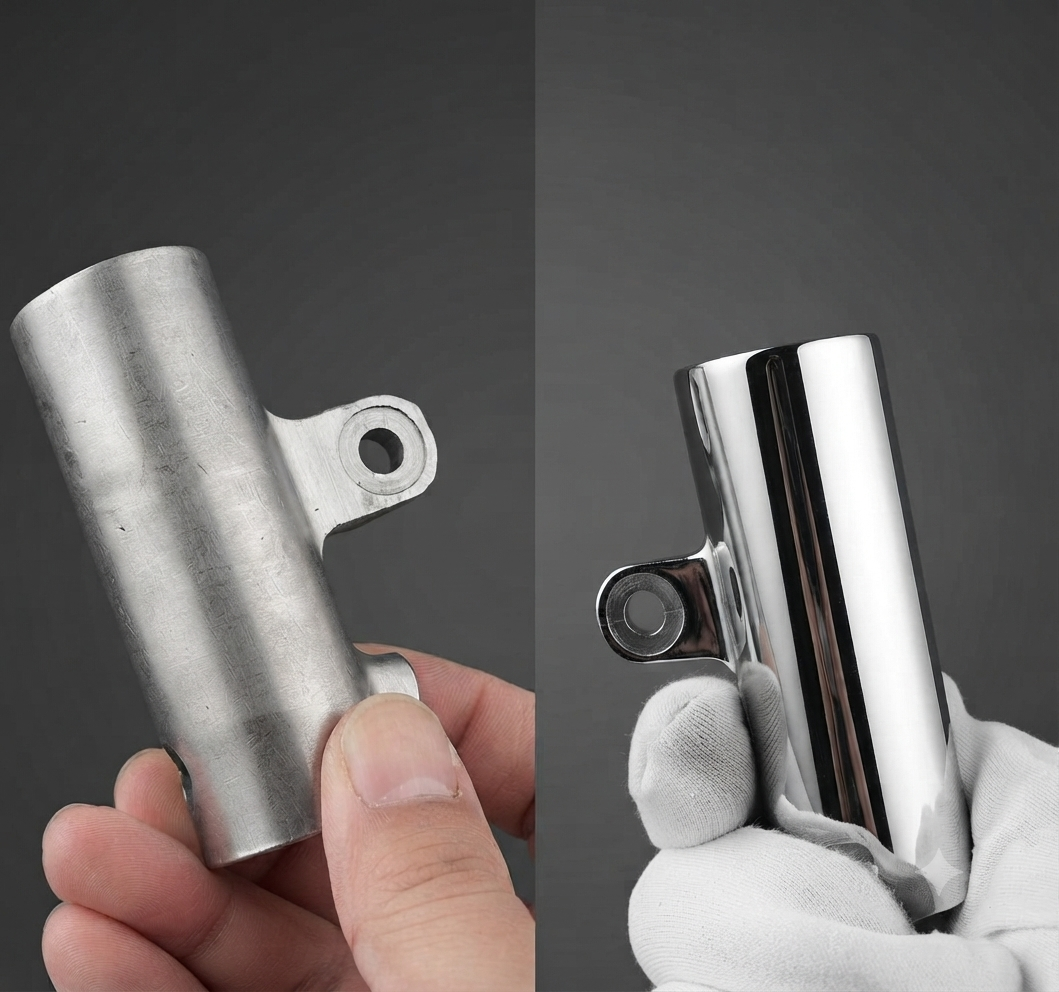
The “raw” surface represents the component immediately after forming, machining, or casting.
Key Characteristics: Features a matte, industrial appearance with visible machining marks or cast textures.
Best For:
Internal Components: Parts hidden inside an assembly where aesthetics don’t matter.
Cost Efficiency: Eliminates secondary processing steps, reducing lead time and manufacturing costs.
Subsequent Processing: Ideal if you plan to apply your own specialized coatings or further treatment later.
Mirror polishing is a multi-stage mechanical process that involves grinding and buffing the surface to a high-reflectivity finish.
Key Characteristics: A flawless, high-shine surface that acts like a mirror.
Best For:
Corrosion Resistance: A smoother surface significantly reduces the surface area susceptible to rust and chemical buildup.
Hygiene/Medical Industries: Crucial for food-grade or medical equipment where bacteria cannot be allowed to harbor in surface imperfections.
Premium Aesthetics: Essential for consumer-facing products where visual impact creates a sense of high quality.
| Feature | Raw Surface | Mirror Polished |
| Appearance | Matte / Industrial | High-reflective / Premium |
| Cost | Low | Higher (Labor intensive) |
| Corrosion Resistance | Baseline | Enhanced |
| Typical Use Case | Hidden / Structural | Aesthetic / Hygienic |
Whether you are aiming for cost-effective functionality or premium aesthetic appeal, selecting the right surface finish is a key decision in the Weilin TECH. Need expert advice on which finish fits your project? Contact our engineering team today for a professional consultation and a quick quote.